- All
- Product Name
- Product Keyword
- Product Model
- Product Summary
- Product Description
- Multi Field Search
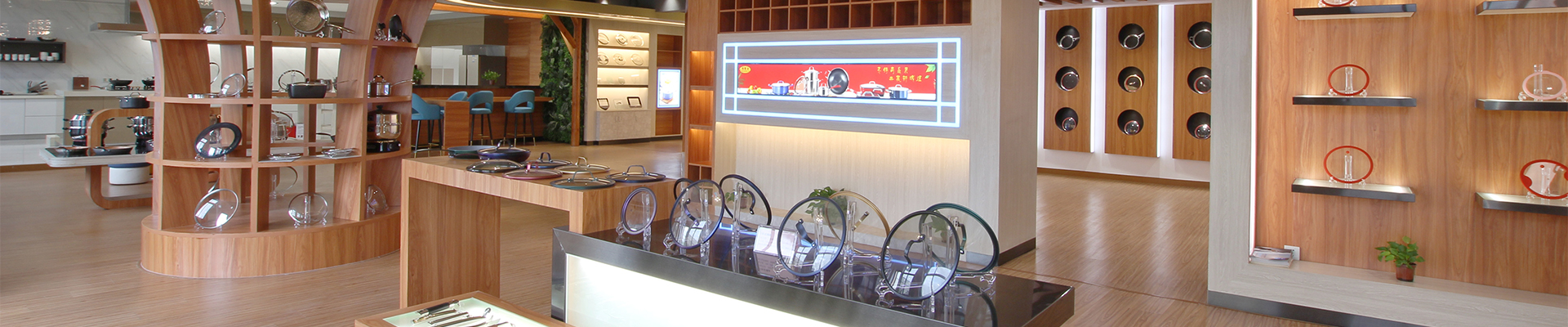

This guide shares practical tips on how to select a durable tempered glass lid. It covers key quality checks including high-transparent tempered glass, rust-proof stainless steel rim, and the advantages of silicone sealed design for better heat insulation and anti-overflow performance. With 23 years of production experience, we provide various styles, standard sizes and custom wholesale glass lids for global cookware partners.

This article introduces our multifunctional Smart Lid integrated with intelligent temperature sensing, timer reminder and one-touch control. Crafted from high-quality tempered glass, it monitors pot temperature in real time, provides cooking time alerts, and supports simple one-touch operation. The universal smart lid is heat-resistant, durable and perfect for modern home kitchen cooking.

Say goodbye to messy traditional glass lids. Our folding stand-up lids feature a specially engineered folding handle that allows the tempered glass lid to stand securely at 90 degrees. This smart design prevents contamination, reduces countertop mess, saves space, and offers excellent heat resistance.

This article introduces the advantages of PVD ion plating stainless steel pot lids, including even coating without metal nodules, high hardness, wear resistance, outstanding corrosion resistance and chemical stability for home and wholesale kitchenware.

This article introduces the advantages of colored non-stick lids, including water-based eco-friendly material, food-grade safety with FDA and LFGB certification, antibacterial performance, easy cleaning, colorful design and long-lasting wear resistance.

This article introduces the carved glass lid featured with stainless steel edging and excellent corrosion resistance. With delicate artistic carved patterns, it is not only a practical cookware accessory but also a kitchen artwork, making daily cooking more enjoyable and adding elegant style to modern home kitchens.

This article introduces the silicone glass lid featured with soft silicone wrapping edge and anti-scald function. It ensures safe cooking, boasts elegant looks that complement various kitchenware, and serves as a practical and stylish accessory for modern home kitchens.

This article introduces the anti-fog glass lid with physical food-grade treatment and water-repellent anti-steam features. It keeps the glass surface transparent without fog or water droplets, allowing users to clearly observe food inside the pot during cooking, restoring the original high-visibility advantage of glass lids for safe and convenient kitchen use.

Discover how our food preservation glass lid transforms kitchen storage. With negative pressure sealing and a patented quick air release valve, this tempered glass pot lid keeps food fresh longer, fits most cookware, and is durable for daily use.

Elevate your cooking experience with tall body tempered glass lids. Featuring high surrounding edge, enlarged inner space, stain-free smooth surface and customizable patterns, these practical glass pot lids fit most cookware perfectly.

Discover stylish silicone non-stick coated steel rim glass lid. Integrated molding ensures tight sealing, colorful painting enhances beauty, stain-resistant design makes daily cleaning effortless for all kitchen cookware.

Our steamer tempered glass lid features anti-scald design and firm metal automatic clasp. It realizes energy-saving multi-layer steaming, ensures safe moving, ideal practical glass pot lid for all steaming cookware.

Functional silicone drain glass lid realizes safe residue filtering and anti-scald use. Custom multi-color silicone brings fashionable texture, firm structure avoids dropping, practical tempered glass pot lid for home cooking.

Premium high borosilicate semi-tempered glass lid owns excellent temperature endurance and stable structure. It can substitute microcrystalline glass parts and suit induction cookers, practical glass pot lid for special cooking usage.

This foldable silicone glass lid enlarges cooking space to prevent overflow. It folds flat to save storage room. Made of reliable tempered glass and silicone, it is a practical cookware glass lid for all kitchens.

Our silicone multi-fit glass lid works for different pots and pans. It helps cut down redundant lids and maximize kitchen space. Durable tempered glass lid with flexible silicone for daily cooking.

Many ordinary glass lids bring spills and scald risks while pouring. This tall wide rim drain glass lid solves such troubles. It separates residues well, safeguards cookware coatings and keeps sealed to cut energy loss.

This popular science guide explains the differences between tempered glass lid and ordinary glass lid in strength, heat resistance and safety. Follow easy methods to select qualified kitchen glass lid and avoid risks.

This guide compares borosilicate glass and tempered glass for glass lid production. Learn their thermal performance gaps and pick suitable cookware glass lid for daily or special high-heat kitchen applications.

This article compares strength, breaking feature and applicable scenes of semi-tempered and fully tempered glass lid. Guide buyers to pick qualified safe kitchen glass lid for cookware matching.